- Nyamaseke T/C Kasese District Uganda
- Mon to Sun: 8.00 am - 7.00 pm
Clean Water for Communities
Home - Clean Water Details
Search Here
Recent Posts
Need Help? Call Us
+256 70 2220395
Tags
Clean Water
Natural Waters
Rain Water
Water Tanks
Filters
Cooking Water
Clean Water for Communities: Why It Matters and How to Protect It
Access to clean water is a basic human necessity and a pillar of sustainable community life. Safe water supports health, food production, sanitation, and economic growth. Yet many communities still face water shortages or contamination due to pollution, climate change, and poor management. Ensuring clean water is available is not only about survival—it is about dignity, development, and long-term resilience.
Clean water protects people from waterborne diseases and improves overall well-being. When water sources are polluted, communities face increased illness, medical costs, and lost productivity. Children are especially vulnerable, and access to safe drinking water helps them grow, learn, and attend school consistently. Healthy water systems therefore strengthen both families and entire societies.
Practical Ways to Preserve Water
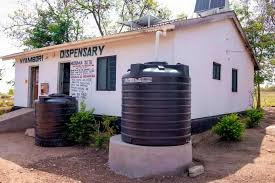
Water conservation starts with daily habits. Fixing leaks, collecting rainwater, reusing greywater for irrigation, and avoiding wasteful practices can significantly reduce consumption. Communities can also protect natural sources by preventing dumping, limiting chemical runoff, and planting vegetation near water bodies. These small but consistent actions help maintain water quality and ensure sustainable supply.
Community Education and Initiatives
Education is key to lasting change. Organizations like One Earth Eco Village play an important role by teaching communities about clean water practices, conservation methods, and environmental stewardship. Through workshops, demonstrations, and outreach programs, such initiatives empower people with practical knowledge and inspire collective responsibility for protecting shared water resources.
“Clean water is a shared treasure that must be protected through awareness, cooperation, and responsible use. When individuals, communities, and organizations work together, they can safeguard water sources for future generations. By valuing water today and supporting educational initiatives, communities create healthier environments, stronger economies, and a more sustainable world.”
At one Earth Eco Village, we empower communities to care for the environment, learn sustainable practices, and make a lasting impact for a greener future.
+256(0) 702220395
info@oneearthecovillage.org
Nyamaseka T/C
Kasese District Uganda
- Newsletter